How to Choose a Custom Tuxedo

A custom tuxedo is built around your fit, your style, and the moments you'll wear it for.

How to Choose a Custom Tuxedo

At a certain point, renting a tuxedo stops making sense. For a man who pays attention to fit and presentation, a rental rarely, if ever, feels personal. The tuxedo may technically work for the occasion, but it never feels fully your own.

A custom tuxedo changes that. Every detail, from the lapel shape to the fabric and fit, is chosen specifically for you. The process is straightforward when you focus on the fundamentals and work with someone who can guide you through the decisions.

Watch the Video

The time has finally come. No more renting. You’re going to invest in a custom tuxedo, and we’re going to help make it easy for you. We like to think of the classic tuxedo in terms of bifurcated choices. Double-breasted or single? Black, midnight blue. Peak lapel, shawl collar. Satin or grosgrain facing. Waistcoat or vests. Or cummerbund. Not sure where to start? Not to worry. We’ll guide you through every step of the process and make sure your classic tuxedo is just what you want it to be.

The Key Decisions Behind a Custom Tuxedo

1. Single-Breasted or Double-Breasted

This choice shapes the overall feel of the tuxedo more than almost anything else.

A single-breasted tuxedo is classic, versatile, and easy to wear across nearly any formal occasion. It creates a clean, balanced silhouette that works well for first-time tuxedo owners and longtime black tie regulars alike.

A double-breasted tuxedo carries more structure and presence. It feels slightly more formal and brings a stronger point of view to the overall look. Many men gravitate toward it once they become more comfortable wearing tailored clothing regularly.

Neither option is more correct. It comes down to personal style, body type, and how you want the tuxedo to feel when you wear it.

2. Black or Midnight Blue

Black tie traditionally begins with black, but midnight blue has long been part of classic formalwear.

Under evening lighting, midnight blue often appears richer and deeper than black. It offers subtle variation while still remaining completely appropriate for formal events.

For some clients, black feels straightforward and timeless. Others prefer the softness and depth of midnight blue. Both work exceptionally well when the fabric quality and fit are right.

3. Peak Lapel or Shawl Collar

Lapel choice changes the character of the tuxedo.

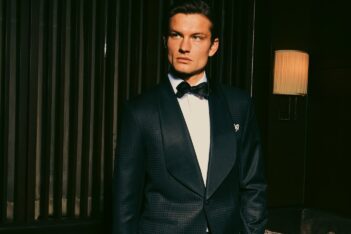
Peak lapels create more structure and visual sharpness. They elongate the frame slightly and bring a stronger architectural feel to the jacket. For many men, it’s the most versatile tuxedo lapel option.

A shawl collar feels smoother and slightly softer. There’s a clean continuity to the shape that works particularly well for eveningwear. It leans more traditional and carries a certain old Hollywood elegance.

The decision often comes down to whether you prefer sharper lines or a softer silhouette.

4. Satin or Grosgrain Facing

The facing fabric is one of the quieter details in a tuxedo, but it changes the texture and finish of the garment.

Satin has a smoother, more reflective surface and creates a more formal appearance. Grosgrain has a ribbed texture with a slightly more understated finish.

Both are traditional choices. Some clients prefer the cleaner shine of satin, while others like the restraint and texture of grosgrain.

5. Waistcoat, Vest, or Cummerbund

Formalwear is built around balance and proportion, and the waist covering plays an important role in that.

A waistcoat creates a fuller, more complete look and pairs naturally with double-breasted or three-piece formalwear. A low-cut formal vest keeps the shirt front clean while adding another layer of refinement.

A cummerbund offers a lighter, more classic black tie approach. It maintains the clean transition between shirt and trouser while feeling slightly less structured than a vest.

The choice often depends on the level of formality, personal preference, and how the tuxedo will primarily be worn.

Why Custom Matters

A tuxedo is one of the few garments designed for life’s most memorable occasions. Weddings, galas, celebrations, and formal events all carry a certain weight, and the clothing should feel equal to the moment.

Fit becomes especially important in eveningwear because the simplicity of a tuxedo leaves very little to hide behind. When the proportions are correct and the details are balanced, the entire look feels effortless.

A custom tuxedo should feel personal from the start. Every decision, from the fabric to the lapel shape and fit, contributes to how the garment looks and feels when you wear it.

When those details are handled thoughtfully, the result is a tuxedo you can rely on for years, whether it’s for weddings, formal events, or black tie occasions that call for something truly tailored.

FAQs

Made-to-measure tuxedos typically take around six weeks, while full bespoke garments usually require ten to twelve weeks due to additional fittings and handwork.

Yes. Midnight blue has long been considered a classic formalwear option and is fully appropriate for black tie occasions.

Peak lapels have pointed edges and create a sharper, more structured appearance. Shawl collars have a continuous curved shape and feel softer and more traditional.

Both are classic options. Satin has a smoother finish and more sheen, while grosgrain offers a ribbed texture with a more understated appearance.

Not necessarily. Some men prefer a cummerbund, while others opt for a formal waistcoat or vest. The right choice depends on the style of tuxedo and personal preference.

A custom tuxedo offers a better fit, higher-quality construction, and personalization that rentals simply can’t match. It also becomes a long-term wardrobe piece you can rely on for years.

Ready to start your bespoke experience?

Book Appointment