The Medici Cheetah Musk/Maraschino
$145
Pitti Uomo, Our Experience Through The Lens of GQ France
Twice a year, Florence becomes a kind of open-air conversation about menswear—one that’s loud in places, opinionated almost everywhere, and deeply referential if you know how to read it. People don’t just get dressed. They make choices. On purpose. And then they walk around all day letting those choices bump into everyone else’s.
This season felt especially considered. Not quieter. Just clearer. Fewer half-baked ideas. Fewer looks that existed only for the photograph. More confidence in the why behind the clothes. That’s what stood out.
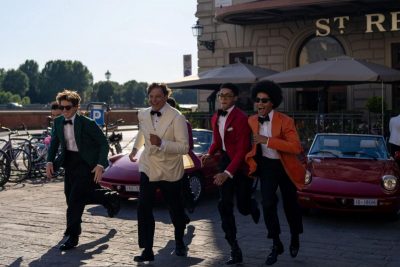
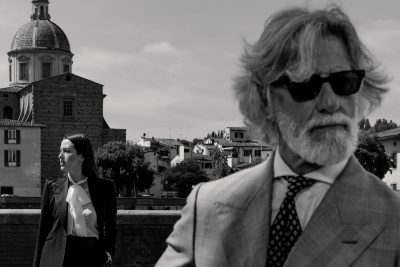
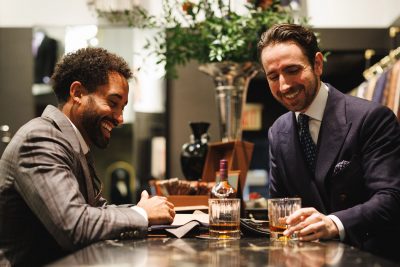
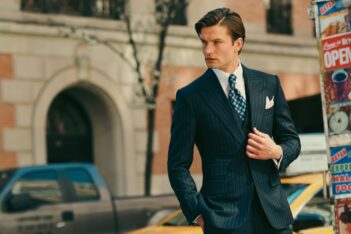
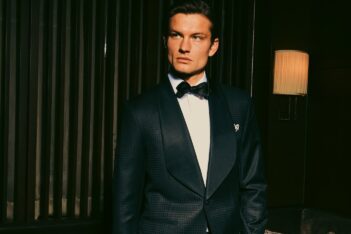
It’s also what GQ France picked up in their street style gallery, where Michael and Cory appeared—not singled out, not framed as anything other than what they were: participants in the broader visual rhythm of the week. Which is exactly how Pitti works when it’s working.
Why Pitti Uomo Is About Enduring Menswear Style — Not Seasonal Trends
There’s a tendency—especially from the outside—to treat Pitti Uomo style like a forecasting exercise. As if the goal is to decode what everyone will be wearing next. That’s never felt quite right.
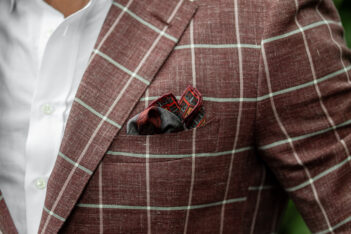
What actually happens is closer to response than prediction. People dress in dialogue with references they care about. Italian tailoring shows up next to American sportswear. British structure creeps in through fabric and silhouette. Cinema, music, art—all of it gets folded in, quietly or not. Michael and Cory’s looks sat comfortably in that mix. Textured tailoring. Strong proportions. Pieces that make sense because they’ve already been lived in, not because they’re trying something new for the sake of it. Nothing felt experimental. And that was the point.
Personal Style at Pitti Uomo: Dressing with Intention and Confidence
One of the more noticeable things this season was how much pleasure people seemed to take in getting dressed. Not peacocking (although there is plenty of that). Not posturing. Just… enjoying it.
Color showed up confidently. Texture did a lot of the talking. Tailoring had presence without feeling stiff or precious. You could tell that most of these outfits weren’t assembled in a rush or second-guessed in the mirror.
That’s part of why being included in a gallery like this matters—not as a milestone, but as a reflection. It suggests a fluency. An ease. A sense that the clothes are working with the wearer, not against them. That kind of ease is hard to fake.
Why Certain Pitti Uomo Menswear Moments Define Modern Tailoring
Street style moves fast. Most images don’t last past the week they’re taken. The ones that do usually share a few things in common. The clothes fit. The proportions feel settled. The person looks comfortable standing still and mid-stride. You don’t have to read a caption to understand what’s going on. Michael and Cory’s photos fall into that category. Not because they were meant to. Because they just… do. The clothes make sense on them. They always have.
What Comes Home From Pitti Uomo: Translating Italian Tailoring to NYC
Most people won’t ever go to Pitti. That’s fine. The point isn’t the event itself. What travels back are the small shifts. How jackets feel a little easier through the chest. How trousers sit with more intention. How texture starts to feel less intimidating once you’ve seen it worn well, repeatedly, by people who know what they’re doing.
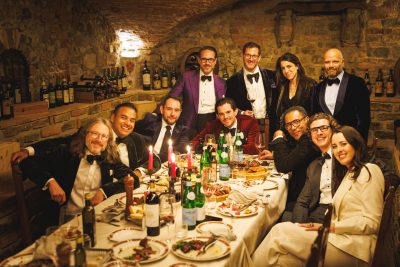
For us, Pitti isn’t a performance. It’s part of the work. A few days of looking closely, recalibrating taste, and returning with sharper instincts than we left with. The photos are just the residue.
Until the Next Pitti Uomo: The Ongoing Influence on Bespoke Tailoring
Some seasons feel scattered. This one didn’t. Pitti Uomo 109 felt confident in its references and comfortable with itself. No apologies. No over-explaining. Just people who know what they like, getting dressed accordingly. And honestly, that’s when it’s at its best.